How Redbridge park permit rules affect flowers displays
Posted on 20/10/2026
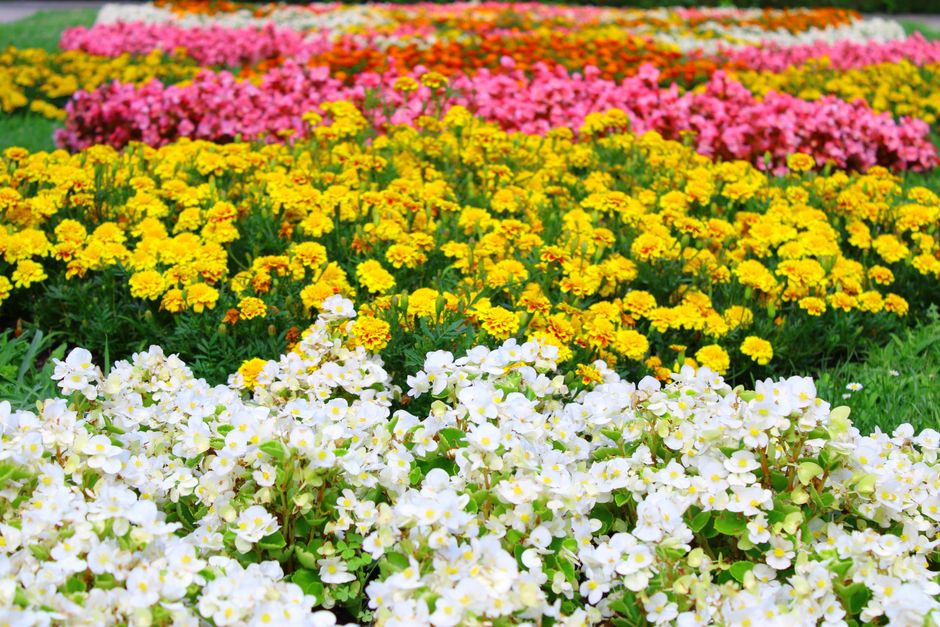
If you are planning a floral display in a Redbridge park, the permit side of things can shape almost every decision you make. Size, placement, timing, access, public safety, and even the style of flowers you choose can all be affected. In practice, how Redbridge park permit rules affect flowers displays is not just about paperwork; it is about whether your display can be installed smoothly, stay in place, and meet the expectations of the landowner or council. Miss a detail and the whole setup can become awkward very quickly. Get it right, and the display looks calm, tidy, and properly considered.
That matters whether you are arranging a community flower feature, a wedding photo backdrop, a remembrance tribute, or a seasonal installation that needs to sit naturally in a public space. Parks are shared spaces, after all. People walk dogs, children run around, maintenance crews need access, and weather can change the mood of a display in an hour. This guide explains the practical effects of permit rules, the usual issues to look out for, and the best way to plan floral displays without getting caught out.
Table of Contents
- Why how Redbridge park permit rules affect flowers displays matters
- How how Redbridge park permit rules affect flowers displays works
- Key benefits and practical advantages
- Who this is for and when it makes sense
- Step-by-step guidance
- Expert tips for better results
- Common mistakes to avoid
- Tools, resources and recommendations
- Law, compliance, standards, or best practice
- Options, methods, or comparison table
- Case study or real-world example
- Practical checklist
- Conclusion
- Frequently asked questions
Why how Redbridge park permit rules affect flowers displays Matters
Permit rules matter because floral displays in parks sit at the intersection of aesthetics, public access, and site management. A display may look effortless from a visitor's point of view, but behind the scenes it has to fit around pathway widths, grass protection, litter control, event timings, and any specific conditions attached to the location. If you ignore those conditions, the display may be refused, altered, or removed. Not ideal when you have already arranged stems, baskets, stands, or a full event schedule.
In Redbridge, as in many London boroughs, public spaces are managed carefully because they are used by a lot of different people. That means the rule set can influence:
- where your flowers can be positioned
- how large the display can be
- whether staking, fixing, or ground penetration is allowed
- how long the flowers can remain in place
- what materials can be used without damaging the park
- whether access routes must stay completely clear
There is a simple truth here: the more prominent the display, the more likely it is to attract scrutiny. A handful of loose bouquets for a private moment may be treated very differently from a planned arch, tribute area, or wedding feature. That is why asking the permit question early saves time later. You do not want the classic last-minute scramble where someone is holding a floral stand in one hand and trying to read email responses with the other. It happens, more than people admit.
Expert summary: Park permit rules usually do not exist to block flowers displays. They exist to balance beauty with safety, access, and site protection. Planning with those priorities in mind usually makes approval easier and the finished display more reliable.
How how Redbridge park permit rules affect flowers displays Works
The way permit rules affect a floral display is usually straightforward, even if the wording in the actual permission document feels a bit formal. At the core, the permit tells you what is allowed, what is restricted, and what the park manager expects from you on the day. For flowers, that can mean very practical things: no digging into turf, no blocking gates, no damage to beds, no adhesives on hard surfaces, no loose waste left behind, and no setup outside the agreed time window.
In real-world terms, the permit acts like a framework for your display. It can affect the design before a single stem is cut. For example, if ground spikes are restricted, you may need weighted bases or freestanding frames. If the park has a sensitive lawn area, you may need to switch from a heavy installation to a lighter arrangement, such as pedestal displays or portable containers. If the event is timed around public use, you may need a faster installation method, which changes how flowers are conditioned and transported.
That is where good florist planning comes in. A skilled florist does not just choose colours and blooms. They think about the route into the park, the length of time flowers can stay fresh, the wind exposure near open areas, and the likely instructions attached to the permit. If you need inspiration on floral presentation for different occasions, you can browse the range at all flowers or look at more tailored styles like wedding flowers in Redbridge when the display is part of a formal celebration.
Another practical point: permit rules often change the display's scale. A smaller, tighter arrangement is easier to approve, easier to transport, and less likely to be affected by weather. A sprawling design may look lovely on paper, but if it risks obstructing a path or creating a trip hazard, the permit process may push you toward a neater layout. To be fair, that is often a good thing anyway. A clean design can look more elegant than a crowded one.
Key Benefits and Practical Advantages
It may sound odd to talk about benefits when we are really discussing restrictions, but there are genuine advantages to working within permit rules. The first one is certainty. Once you know the conditions, you can plan the right flowers, containers, fixings, and delivery timing. That reduces waste and helps avoid expensive changes at the last minute.
Here are the main practical advantages:
- Better display design: Knowing the limits helps you build a display that is balanced rather than overcomplicated.
- Less waste: You buy and prepare only what you can actually use on site.
- Fewer delays: Approved plans are easier to install, especially when access is tight.
- Reduced risk of damage: You protect turf, borders, and park fixtures by choosing suitable materials.
- Smoother event flow: Weddings, memorials, and community events feel calmer when the display is already compliant.
- Cleaner handover: Removal and tidy-up are easier when the installation was designed with the park in mind.
There is also a branding or presentation advantage for businesses and organisers. A display that fits the space properly tends to look more polished. Visitors notice that. Even if they never think about the permit, they can tell when a floral feature belongs in the setting and when it feels bolted on. The difference is subtle, but it matters.
If you are ordering flowers for an event in advance, it can help to match the display style to the venue conditions. A tighter, more robust design may be a better fit than a loose and airy one. For example, something from flowers in a vase can be far easier to manage in a park setting than an arrangement that depends on delicate structural supports.
Who This Is For and When It Makes Sense
This topic is not only for event planners. In fact, plenty of people run into permit issues without realising they were dealing with a permit issue at all. If a floral display sits in public land, even temporarily, it is worth thinking about permissions early.
This usually matters for:
- Wedding couples planning park ceremonies, photo areas, or floral backdrops
- Florists delivering or installing displays for clients
- Community organisers creating seasonal or cultural flower features
- Families arranging remembrance flowers in a public setting
- Businesses using parks for brand events or launches
- Charities and schools staging public displays or awareness events
It makes sense to ask about permits whenever the display is more than a simple handheld bouquet or a very small, temporary personal arrangement. If you are using frames, stands, baskets, signage, ribbons, or any anchoring method, the chances are high that permission matters. Even a modest display can be affected if it changes how people move through the space.
A quick example: a couple may imagine a few floral pedestals by a bench will be harmless. In reality, that bench might be part of a maintenance route, or the park might have rules about objects placed near seating, entrances, or memorial areas. That is why a short check at the beginning saves a lot of polite back-and-forth later.
And yes, sometimes the sensible answer is simply to keep it portable. Small, self-contained designs are often the easiest route when you want the beauty of flowers without the admin headache.
Step-by-Step Guidance
Below is a practical way to plan a flowers display with permit rules in mind. It is simple enough to follow, but detailed enough to stop avoidable mistakes.
- Define the display purpose. Is it for a wedding, tribute, seasonal decoration, photo area, or community celebration? The purpose affects scale and risk.
- Identify the exact location in the park. Not just "in Redbridge Park" in a general sense. The precise spot matters because access, footfall, and ground conditions vary.
- Check what the display will physically include. Think about stands, vases, arches, baskets, ribbons, signs, candles, and any fixings. The more components, the more likely the permit will need detail.
- Confirm the likely duration. A two-hour installation is very different from a display intended to stay for several days.
- Match the design to the site. If the park is windy, open, or heavily used, choose robust flowers and secure containers rather than fragile structures.
- Plan access and removal. Know how you will bring items in, where you will unload, and how you will take everything away safely.
- Prepare a tidy-up method. Leaves, wrap, water, and broken stems are small issues that become big irritations in public spaces.
- Keep a written record. Save the permit details, timings, and any instructions so the on-the-day team is not relying on memory.
If you want the display itself to last, flower care matters just as much as permission. The basics still count: cool transport, hydrated stems, and sensible timing. You can also find practical aftercare guidance on the flower care page, which is useful when you need a display to look fresh through a long event or a warm afternoon.
A useful rule of thumb: the stricter the site conditions, the simpler the display should be. That does not mean dull. It means disciplined. A restrained arrangement with good colour balance often looks more luxurious than a crowded one. Funny how that works.
Expert Tips for Better Results
From an on-the-ground florist perspective, the best displays are the ones that look effortless because the planning was not effortless at all. A few small decisions make a big difference.
Choose flowers that handle handling
Some flowers cope better with transport, light breezes, and longer setup periods. Sturdy stems and compact blooms can be much better than fragile varieties if the display needs to be carried across uneven ground or assembled outside. Carnations, chrysanthemums, alstroemeria, and mixed seasonal stems often behave well in public installations, depending on the look you want.
Keep the structure practical
Freestanding containers and weighted bases usually reduce permit friction. If your display relies on pegs, stakes, or anything that disturbs the soil, be ready for limitations. Parks are not private gardens, and the rules often reflect that basic fact.
Think about weather before colour
A sunny morning can become a breezy, slightly awkward afternoon. Open parkland can dry arrangements faster than people expect. If the event runs for several hours, build in hydration and shade where possible. A display that droops by 3pm rarely leaves the right impression.
Make one person responsible
It sounds basic, but someone needs to hold the plan together on the day. One contact for delivery, one person for the permit, one person for sign-off. Otherwise the whole thing becomes a small chorus of "I thought you had it." We have all seen that happen, and it is rarely elegant.
Keep the visual idea simple enough to read at a glance
In a public park, viewers may see your display from a distance or while walking past. Strong silhouettes, clear colour contrast, and tidy edges work better than overly fussy details. If the flowers are part of a wedding or celebration, a design with a clear focal point tends to photograph better too.
For occasions that need a more polished presentation, you may want to look at curated ranges such as luxury flowers or style-led options like best sellers, especially when you are balancing impact with practicality.
Common Mistakes to Avoid
Most problems with park flower displays are avoidable. That is the slightly annoying part, because it means many of them come down to rushing, guessing, or assuming a rule will not apply. It usually does.
- Assuming small equals exempt. Even modest displays can need permission if they use the ground or affect access.
- Ignoring removal time. If your display cannot be cleared on schedule, you may breach the permit terms.
- Overengineering the setup. Heavy structures, large props, and fiddly fixings create risk.
- Forgetting weather exposure. Wind, rain, and direct sun change how flowers behave in public spaces.
- Using materials that leave residue. Tape, glue, ties, and attachments can damage surfaces or look untidy when removed.
- Not sharing the permit details with the florist. The person designing the display needs to know the constraints, not just the person booking it.
- Failing to plan waste disposal. Water containers, wrap, and trimmings must go somewhere.
One of the most common errors is designing first and checking permissions later. That is backward. Truth be told, it happens because the flowers are the exciting bit. The admin feels dull. But in a park setting, the admin is part of the design. No way around it.
Another mistake is choosing blooms purely because they look beautiful in a shop. A rose-heavy display may be stunning indoors, but outdoors it may need more structural support than expected. Better to choose flowers that suit both the look and the conditions than to fall in love with a style that cannot survive the setting.
Tools, Resources and Recommendations
You do not need a complicated toolkit, but a few practical items make park installations much easier. The goal is not to overpack. The goal is to be ready.
- Printed permit or written approval: Always have it to hand.
- Site plan or sketch: Useful for showing where items will sit.
- Measuring tape: Helpful for checking clearances and display width.
- Weighted bases or stable containers: Often safer than temporary ground fixings.
- Clean water carriers: Keeps flowers hydrated during setup.
- Waste bags and wipes: Essential for a tidy exit.
- Phone photos of the approved layout: Good for the setup team and any last-minute checks.
As for resources, a florist's product range can help you narrow down the right style quickly. If you need a broad choice, florist Redbridge IG4 is a sensible starting point for local inspiration. If your priority is value, then cheap flowers Redbridge IG4 may be useful, though you will still want blooms that hold up well outdoors rather than the cheapest thing available. Cheap and suitable are not always the same thing.
It is also worth checking the site's general service information before you book. Delivery timing and handover arrangements can affect whether the flowers arrive fresh enough for an outdoor install. A helpful place to review those details is the delivery page, and the business background on the about us page can help build confidence if you are working with a new supplier.
Law, Compliance, Standards, or Best Practice
This is the section where it pays to be careful and precise. Exact permit requirements can vary depending on the park, the nature of the event, and the council or land manager's conditions at the time. For that reason, the safest approach is to treat permit approval as site-specific rather than assuming one rule fits every park.
In broad terms, best practice usually includes the following:
- Protect public access: Keep pathways, entrances, and emergency routes clear.
- Avoid damage to the site: Do not disturb turf, beds, trees, or fixed features unless the permission specifically allows it.
- Keep structures stable: Public spaces need installations that will not topple or shift easily.
- Remove everything on time: Temporary floral displays should not overstay their welcome.
- Leave no trace: The area should be clean and safe once the display is removed.
These expectations line up with common UK event-management practice, even when the detailed wording differs from site to site. If a display is part of a larger public event, you may also need to consider insurance, risk assessment, and crowd management. Those things can feel overcautious when you are just thinking about peonies and ribbon, but in a public park they are part of the picture.
For florists and organisers handling repeat bookings, keeping a standard process helps. A standard handover checklist, a standard layout sketch, and a standard removal plan make compliance much easier. That is especially useful for wedding work, where timing is tight and everyone is already a bit emotional. Understandably so.
Options, Methods, or Comparison Table
Choosing the right type of floral display often comes down to balancing impact against practicality. The table below gives a simple comparison of common approaches and how permit rules may affect them.
| Display type | Permit impact | Strengths | Watch-outs |
|---|---|---|---|
| Handheld bouquets | Usually low, unless used in a managed event zone | Simple, flexible, easy to move | Limited visual scale |
| Container arrangements | Moderate | Stable, neat, adaptable | Needs safe placement and water handling |
| Freestanding floral stands | Moderate to high | Visible, elegant, good for ceremonies | May need precise siting and ballast |
| Large themed installation | High | Big visual impact, strong photo value | More approval, transport, and safety considerations |
| Ground-anchored feature | Often highest | Can feel integrated and immersive | May be restricted due to turf and surface protection |
There is no single "best" option. If you are organising a quiet memorial, a portable basket arrangement might be far more suitable than a large structure. If you are planning a wedding ceremony in a park, a pair of stable pedestals may deliver all the presence you need without making the permit process complicated. The smartest choice is the one that suits both the moment and the site.
Case Study or Real-World Example
Picture a small summer wedding planned for a Redbridge park. The couple wants a floral focal point near a grass edge, some bouquet accents for the signing table, and a few low arrangements to guide guests toward the ceremony spot. On paper, it sounds simple. In reality, the park has shared footpaths, a tight setup window, and a requirement to avoid ground damage.
Instead of building a large installation, the florist suggests three freestanding arrangements in weighted containers, plus handheld bouquets and a compact table design. The couple keeps the look they want, but the display becomes much easier to approve and install. Delivery happens early, the team moves quickly, and the display photographs beautifully in soft afternoon light. No stress, no last-minute improvisation, no one panicking because a spike will not go into the ground. Lovely, really.
The key lesson is that permit rules do not necessarily reduce creativity. They often sharpen it. Once you know the boundaries, you design more intentionally. In practice, that can improve the final look. A display that is too sprawling often loses impact; a well-edited one tends to feel more elegant and more memorable.
If the event is more personal, the same logic still applies. A family tribute or remembrance arrangement may need simplicity rather than grandeur. A respectful, stable design using sympathy flowers or a wreath can often be a more appropriate choice than a large decorative feature, especially when the location is public and shared.
Practical Checklist
Use this checklist before you commit to a park flower display:
- Have I confirmed whether a permit is needed?
- Do I know the exact display location?
- Have I checked the set-up and take-down times?
- Will the display block paths, gates, or seating?
- Are my containers, fixings, and supports safe for a public space?
- Do I know who is responsible on the day?
- Have I chosen flowers that can handle transport and weather?
- Do I have a tidy waste-removal plan?
- Is the design simple enough to install within the allowed window?
- Have I shared the permit conditions with the florist or installer?
One small tip: print the checklist, not just save it on your phone. Screens are useful, but paper is easier when your hands are full of ribbon, water buckets, and that one bouquet that suddenly needs rescuing. It happens.
Conclusion
How Redbridge park permit rules affect flowers displays comes down to a simple principle: the rules shape the design, not just the administration. They influence what flowers you choose, how the display is built, where it sits, how long it stays, and how safely it can be removed. When you treat the permit as part of the creative process, the whole job gets easier.
The best flower displays in public parks are usually the ones that feel calm, tidy, and well matched to the setting. That takes a little planning, but it pays off in a big way. Less stress. Better visuals. Fewer surprises. And frankly, a nicer experience for everyone involved.
Get a free quote today and see how much you can save.
Frequently Asked Questions
Do I need a permit for flowers displays in a Redbridge park?
In many cases, yes, especially if the display is structured, placed on the ground, or part of an organised event. Small personal bouquets are different from larger installations. The safest approach is to check before you plan too far ahead.
What kind of flower display is most likely to be approved?
Simple, stable, and low-impact displays are usually easiest to approve. Container arrangements, freestanding designs, and portable features tend to be more practical than anything that needs digging, staking, or large fixings.
Can I use ground spikes or stakes in a park display?
Not always. Parks often restrict anything that disturbs turf or surfaces. If staking is not allowed, you may need weighted bases or self-supporting frames instead.
How far in advance should I check the permit rules?
As early as possible. Ideally, check before you order flowers or commit to a design. That way, you are not forced to redesign at the last minute.
Do wedding flower displays face stricter rules than other displays?
They can, mainly because weddings often involve larger setups, guest movement, and more photography areas. The flower style itself is not the issue; the scale and footprint usually are.
What happens if I ignore the permit conditions?
The display may be refused, altered, or removed. In some situations, you could also create safety or access issues. It is far better to adjust the design early than deal with a problem on the day.
Are artificial flowers easier to manage than fresh flowers in parks?
Sometimes they are, because they are lighter and can be less sensitive to weather. But they still need permission if they are part of a larger structure or placed in a public space.
What flowers work best for outdoor park displays?
Sturdy blooms that handle transport and changing temperatures tend to work well. The best choice depends on the season, the event type, and how long the display has to last.
Can a florist handle the permit side for me?
Some florists can help with planning and practical advice, but the organiser usually remains responsible for confirming permissions. It is best to share the permit conditions with the florist rather than assume they already know them.
How do permit rules affect the cost of a flowers display?
They can affect cost indirectly by changing the design, materials, labour, and installation time. A simpler compliant display may actually save money because it needs fewer supports and less on-site work.
What is the biggest mistake people make with park flower displays?
Designing the display before checking the rules. That is the one that causes the most headaches. Once you know the site conditions, the right design usually becomes much clearer.
Where can I get a quick local flower option for a park event?
If you need something straightforward and local, look for a florist range that suits the event type and venue conditions. A practical starting point is to compare styles, delivery timing, and sturdiness rather than choosing purely by appearance.